
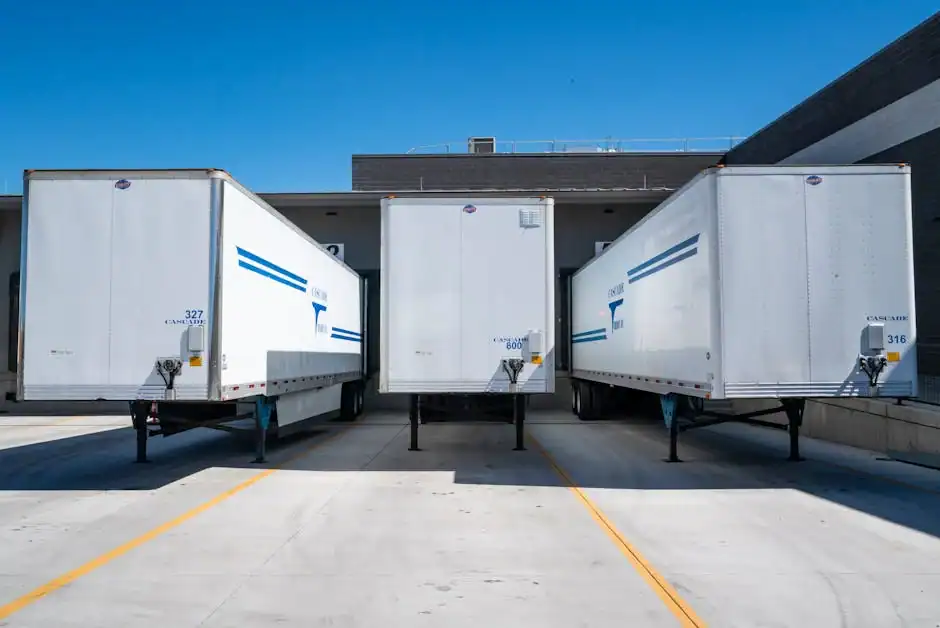
Optimizing your supply chain for wiring components is crucial in a marketplace driven by competition and technological advancements. A streamlined supply chain reduces costs and lengths of time, ultimately enhancing your product quality and customer satisfaction. Prioritizing fluidity in processes and relationships can transform your current operations, making them more efficient and responsive to change. Let’s delve into effective strategies and practices to optimize your supply chain for wiring.
Understanding the supply chain for wiring
Definition of supply chain in wiring
At its core, the supply chain for wiring encompasses all processes involved in the production and distribution of wiring components. This includes sourcing raw materials, manufacturing wire products, managing logistics, and delivering these components to end-users, whether for consumer electronics, automotive needs, or industrial applications. Understanding the supply chain ensures you identify the areas where improvements can lead to significant enhancements in performance and cost-efficiency.
Key components of the supply chain
Several pivotal elements constitute the supply chain for wiring. These include:
- Suppliers: Entities providing the raw materials and components for wiring.
- Manufacturing: The processes that convert raw materials into finished wiring products.
- Logistics: The management of transportation and storage of products from manufacturers to end-users.
- Distribution: Mechanisms that deliver the finished wiring components to customers.

A well-structured supply chain incorporates all these components, each working in synergy.
Importance of supply chain management
Effective supply chain management establishes a foundation for achieving competitive advantage. By closely monitoring and optimizing the supply chain for wiring, businesses can respond quickly to market demands, minimize delays, and enhance customer service. This management also provides insights into supplier performance, material quality, and overall operational efficiency.
Challenges in the wiring supply chain
Common issues faced
Despite its critical importance, the supply chain for wiring sometimes encounters various challenges. One persistent issue is supply chain disruptions, which can arise from geopolitical tensions, natural disasters, or even supplier bankruptcies. Other problems include quality control issues, over-reliance on a limited number of suppliers, and inefficiencies in logistics.
Impact on efficiency and costs
These challenges can severely impact both efficiency and costs. Disruptions might lead to production delays, increasing lead times significantly. Moreover, inefficiencies in managing suppliers or logistics can result in higher operational expenses, ultimately affecting your bottom line. As you think about optimizing your supply chain for wiring, acknowledging and planning for these challenges is critical.
Benefits of supply chain for wiring
Enhancing efficiency
One of the most significant advantages of optimizing your supply chain for wiring is enhanced efficiency. By refining processes and practices, you can ensure smoother operations.
Streamlined processes
Streamlining processes involves removing unnecessary steps in your operations, allowing for quicker turnaround times. Techniques like map flows and lean principles can help identify bottlenecks, facilitating improvement strategies that enhance overall productivity.
Reducing lead times
Minimizing lead times is essential for meeting customer expectations and maintaining a competitive edge. This is particularly relevant when considering wire harness assembly. Implementing just-in-time inventory systems can play a crucial role in reducing lead times, ensuring that materials and components arrive as they are needed, ultimately contributing to a more agile supply chain.
Cost reduction strategies
In addition to boosting efficiency, optimizing your supply chain for wiring can lead to substantial cost savings.
Bulk purchasing
One effective strategy is bulk purchasing. By negotiating favorable terms with suppliers, you can purchase raw materials in larger quantities, reducing per-unit costs. This not only lowers expenses but also enhances your negotiation power, leading to better supplier relationships long-term.
Reducing waste
Introducing waste reduction initiatives, such as recycling programs or better inventory management, can drastically cut costs. Efficient waste management practices reflect not just on your finances but also on your sustainability objectives, appealing to a growing base of environmentally-conscious consumers.
Best practices for optimizing the supply chain for wiring
Inventory management techniques
A robust inventory management system is vital for optimizing the supply chain for wiring.
Just-in-time inventory
Just-In-Time (JIT) inventory effectively manages stock levels by ensuring that materials and products are delivered as they are needed in the production process. This technique minimizes excess inventory, reducing storage costs and waste.
ABC analysis
Employing ABC Analysis is another powerful inventory management technique that categorizes inventory items based on importance and value. By focusing on the most critical items (A category), you can prioritize your resources more effectively, streamlining the supply chain for wiring.
Supplier relationship management
The relationship between businesses and their suppliers is a cornerstone of an efficient supply chain.
Selecting the Right Suppliers
Choosing the right suppliers is essential. Conduct thorough evaluations based on quality, reliability, and financial stability. Establishing strong criteria for supplier selection will ensure you maintain high standards throughout your supply chain for wiring.
Building strong partnerships
Building strong partnerships with suppliers creates an ecosystem of collaboration. This fosters open communication, encourages innovation, and helps address challenges more effectively, ultimately enhancing the efficiency and reliability of your supply chain.
Technology solutions for supply chain optimization
Role of automation
Embracing technology is a game-changer in supply chain optimization.
Automated inventory systems
Automated inventory systems help manage stock levels in real-time, reducing the likelihood of human error and improving accuracy. Such systems can also facilitate quick access to data, ensuring that making informed decisions becomes seamless.
Procurement automation
Streamlining procurement activities through automation minimizes administrative inefficiencies. This advancement enables your team to focus more on strategic initiatives, rather than getting bogged down by repetitive tasks.
Data analytics and supply chain
Leveraging data analytics can significantly enhance the effectiveness of your supply chain.
Utilizing big data
Utilizing big data empowers you to glean insights into market trends, customer preferences, and supplier reliability. This data can guide you in making informed decisions that optimize your supply chain for wiring components.
Predictive analytics for demand forecasting
Predictive analytics can significantly enhance your forecast accuracy. By analyzing past sales trends, you can anticipate future demand and adjust your inventory levels accordingly. This strategic foresight helps in optimizing production schedules and minimizing wastage.

Case studies of successful supply chain optimization in wiring
Example 1: Company A
Strategies implemented
Company A implemented a hybrid model of Just-In-Time inventory and strategic supplier partnerships. By leveraging data analytics to forecast demand better, they minimized excess inventory while ensuring timely deliveries from suppliers.
Results achieved
As a result, Company A saw a significant reduction in operating costs and lead times, leading to improved customer satisfaction and a stronger market position in the wiring components industry.
Example 2: Company B
Key challenges addressed
Company B faced challenges with inconsistencies in product quality and delays in fulfillment. By adopting strict quality control measures and enhancing their supplier relationship management, they tackled these issues head-on.
Impact on business performance
The company not only improved its operational efficiency but also witnessed an increase in repeat customers, as they consistently delivered high-quality products on time, showcasing the powerful effects that optimizing the supply chain for wiring can have.
Recap of key points
To recap, optimizing your supply chain for wiring involves understanding its components, addressing inherent challenges, implementing best practices, and embracing technology. Each step you take towards enhancing your supply chain efficiency and effectiveness will pay dividends in the long run.
Future trends in supply chain for wiring
Sustainability practices
Looking to the future, sustainability is becoming increasingly important. Embracing eco-friendly practices within your supply chain for wiring will not only reduce your environmental impact but also resonate with consumers who prioritize sustainability.
Innovations in supply chain management
Moreover, staying abreast of innovations in supply chain management, such as 3D printing and blockchain technology, can further streamline your operations and enhance transparency. These technological advancements play a crucial role in optimizing the supply chain for wiring and setting your business apart in a fast-paced marketplace.
Investing time and resources into optimizing your supply chain for wiring will yield long-term benefits that enhance overall efficiency, reduce costs, and ultimately lead to greater success in your industry.